
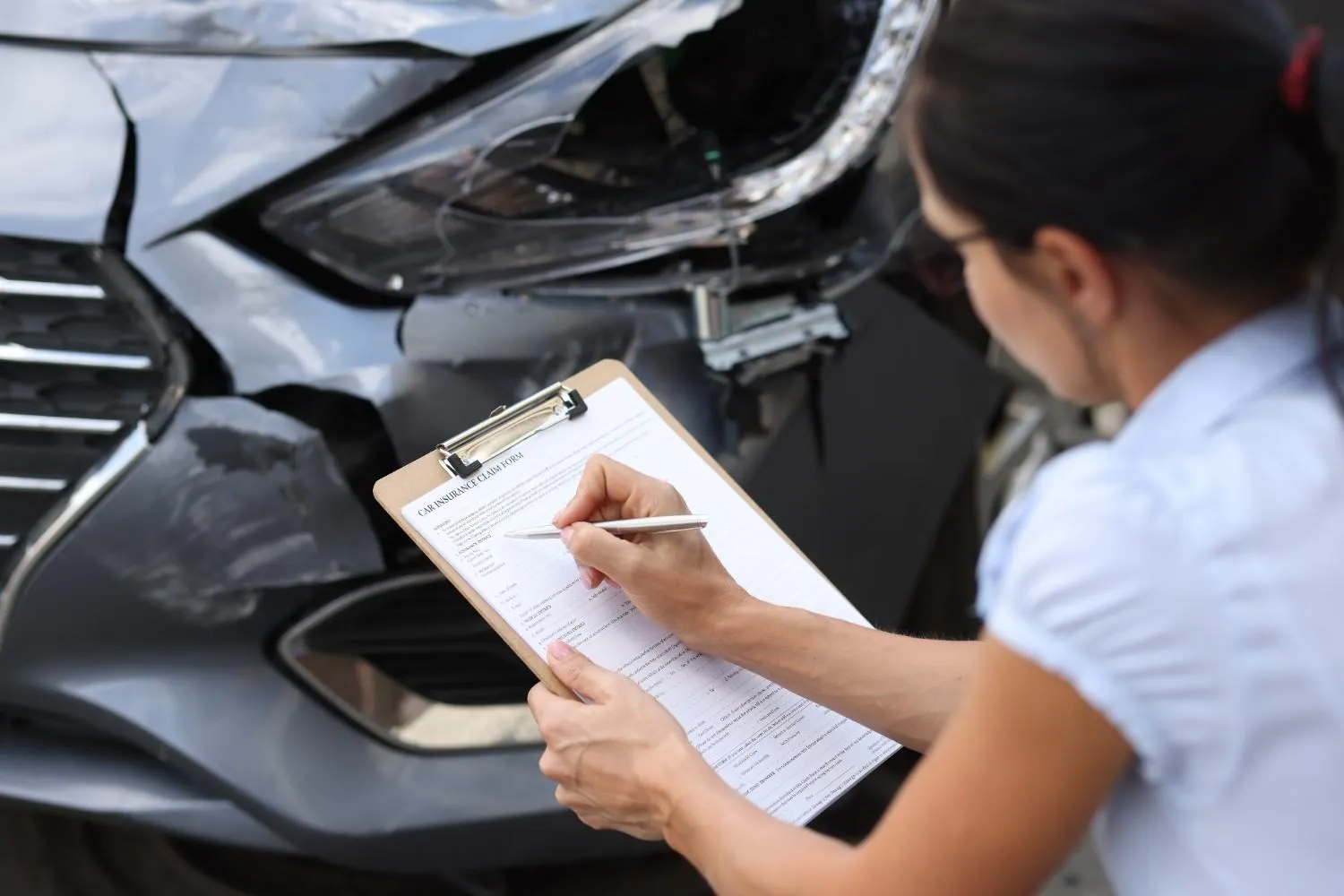
Liability Coverage
If a crash leaves you owing the other driver, this steps in so the cost stays off your savings.
Each option below stands on its own. Most drivers I work with blend two or three based on the car, the route, and who else is behind the wheel.
Pick what fits and skip what does not. I explain each layer in plain language so the tradeoffs stay clear before anything gets signed.
If a crash leaves you owing the other driver, this steps in so the cost stays off your savings.
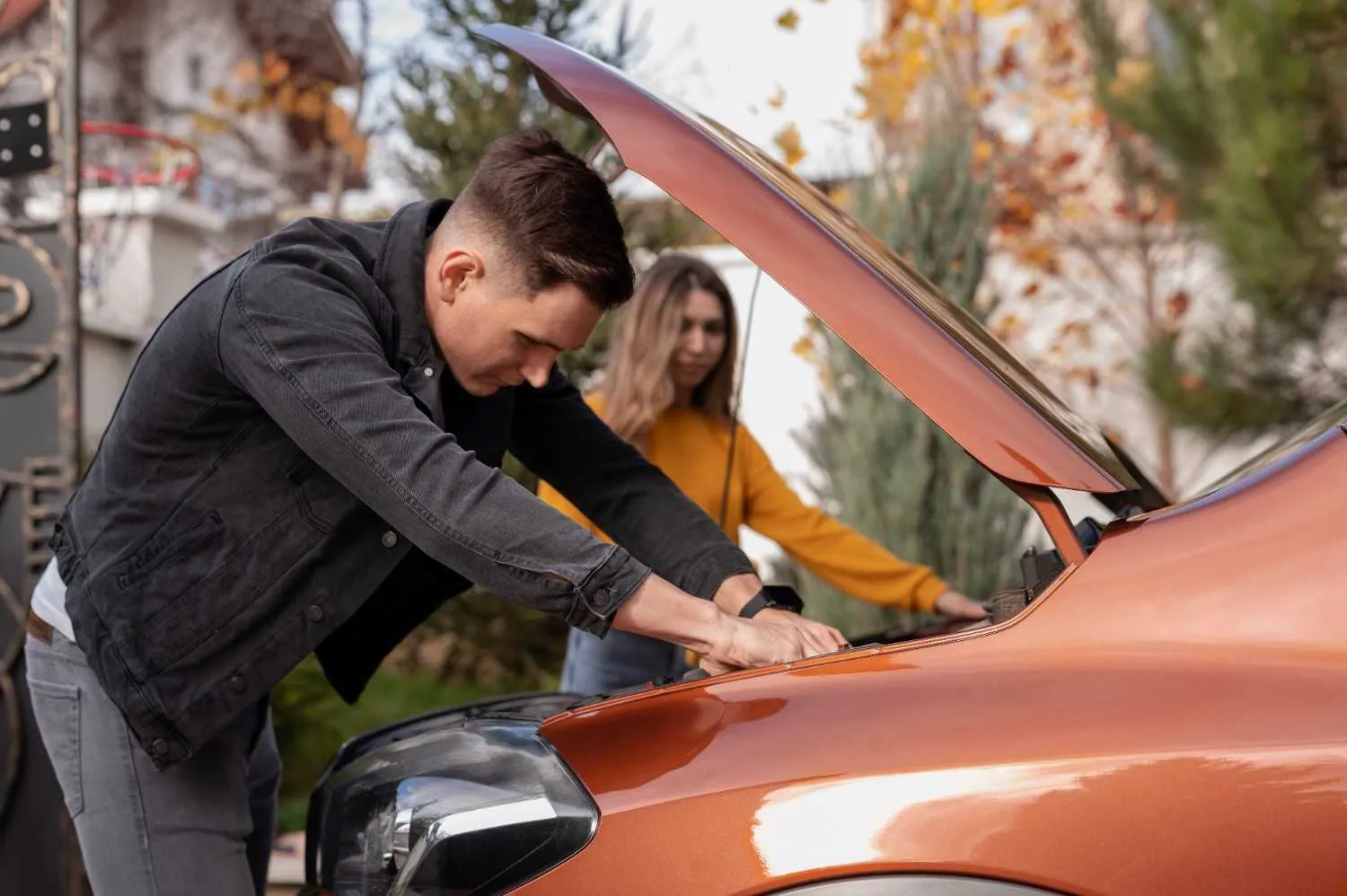
Hit a pole or get hit from behind at a light, collision handles repairs to your own car.
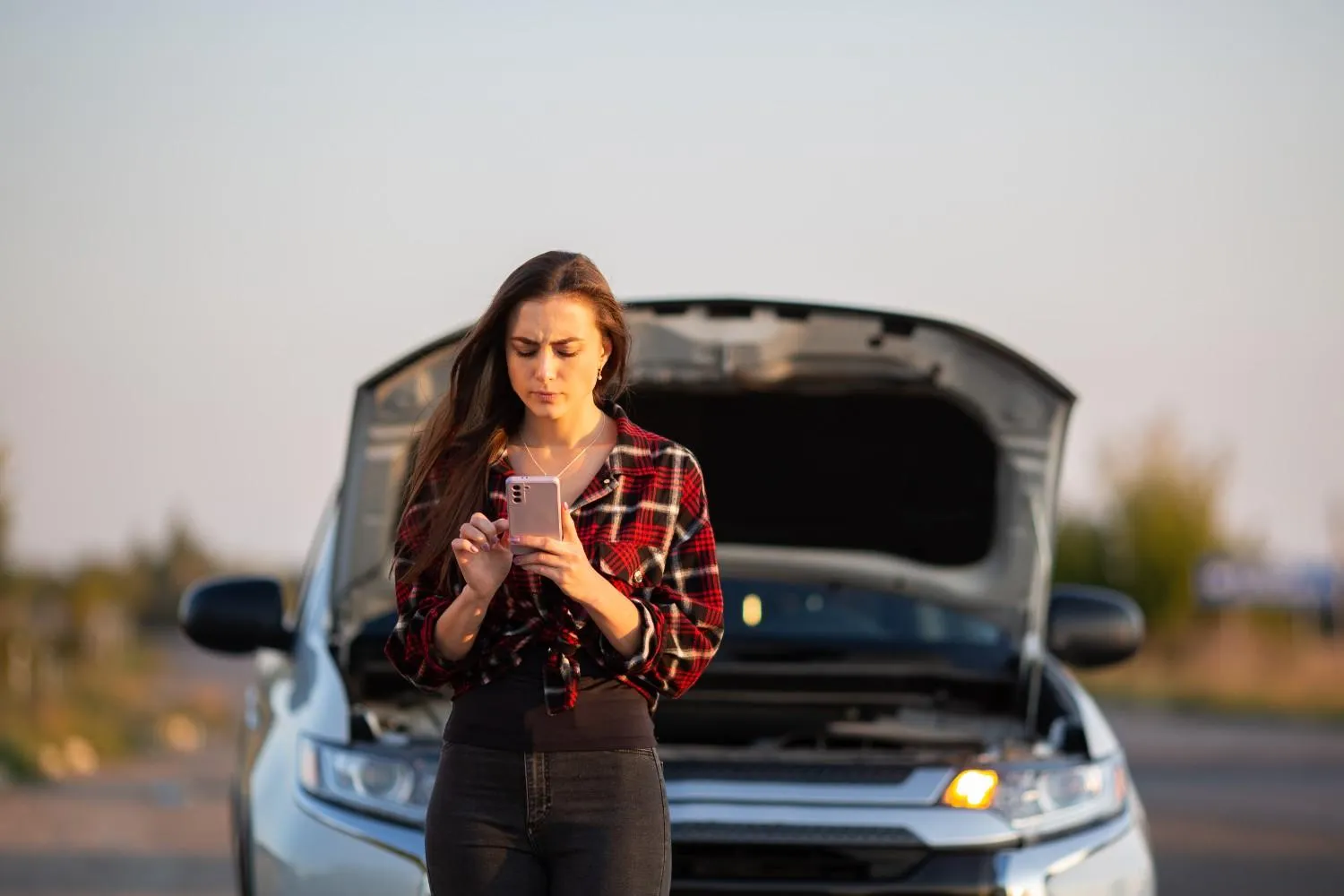
Flat tire, dead battery, or keys locked inside, help heads straight out to you.
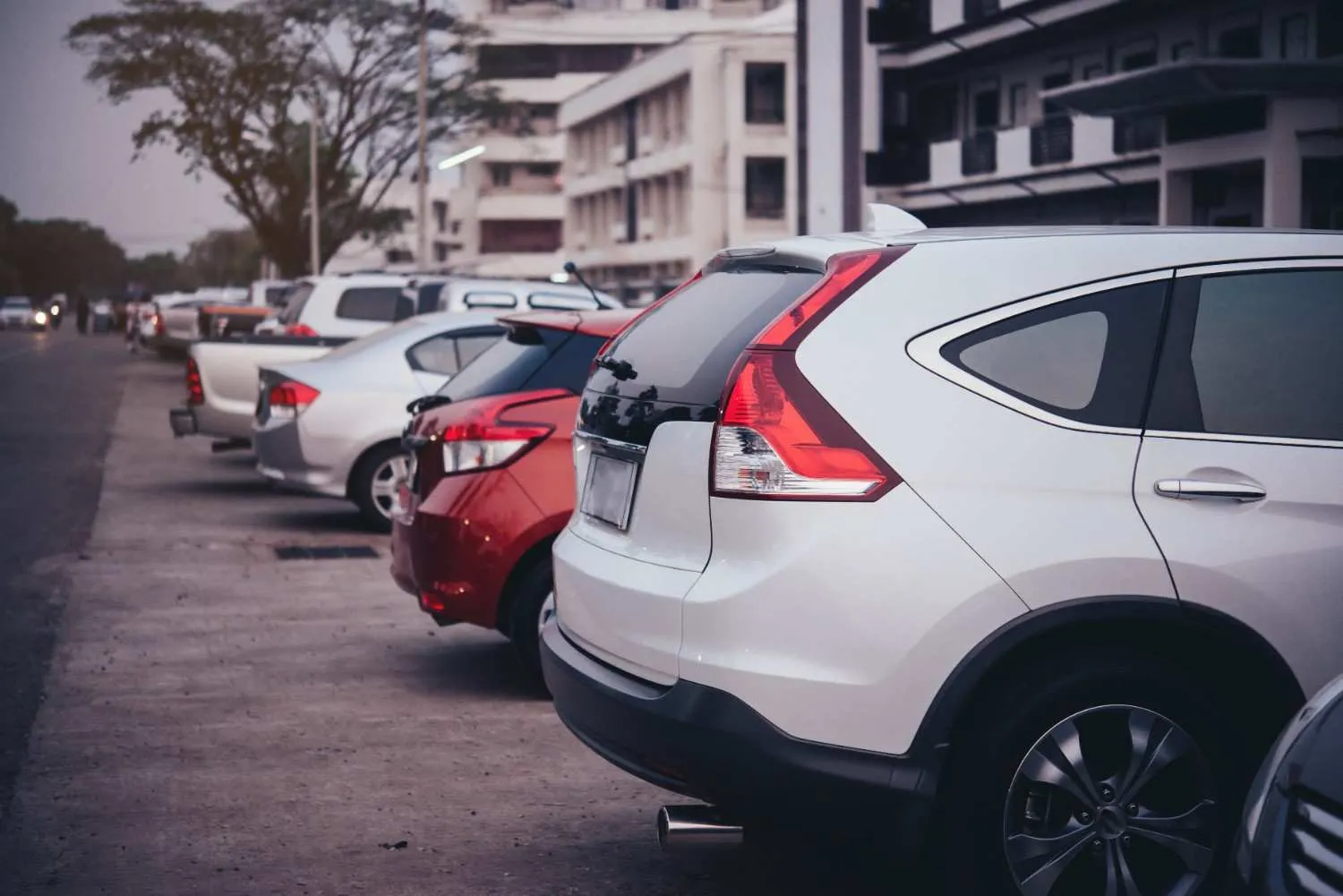
Bundling two or three cars under one policy usually trims the monthly cost, not the coverage.
Optional layers that drivers often add once the core coverage is set, each one I keep simple and easy to switch on or off.
Steps in when the other driver carries little or no coverage, so a shortfall does not land on you.
Covers the off road surprises like hail, theft, and a cracked windshield on the highway.
Keeps a set of wheels under you while the car sits in the shop after a covered claim.
Helps with medical costs for the driver and passengers, no matter who caused the crash.
An optional habit check that can trim the monthly number for steady, low mileage driving.
Brings a teen or roommate onto the policy midyear without a full restart of the renewal date.
Four plain steps I follow, from the first conversation to a signed policy that actually matches how the car gets used.
I begin with questions about the car, the daily route, and everyone who holds a set of keys.
I build the number from real mileage and habits, and I lay out each coverage layer clearly.
I set liability, collision, roadside, and multiple car choices side by side so tradeoffs stay visible.
I get the paperwork signed digitally, proof lands on the phone, and changes stay easy to make later.
Answer a few questions about the car and the road ahead, and watch the right coverage take shape.
Get Started